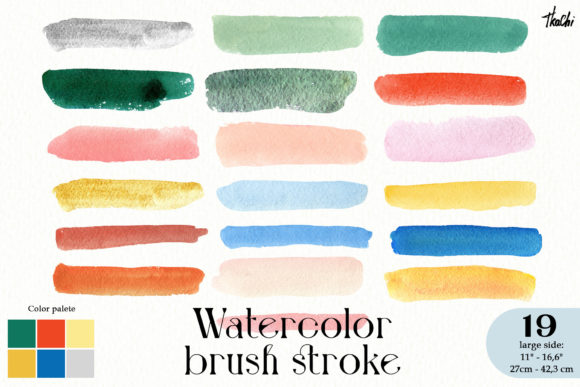
Watercolor Textures Brush Stroke Clipart and Illustrations
As a digital product creator with years of experience in online selling, I always start by evaluating a new graphic design asset through the lens of real-world application. Watercolor Textures Brush Stroke Clipart offers a unique blend of artistic flair and versatility that can enhance a wide range of digital products. Whether you're launching a new Etsy product or expanding your print-on-demand offerings, this clipart has potential—but it's important to test it thoroughly before finalizing your listings.
First Impressions: Mood, Niche Appeal, and Visual Personality
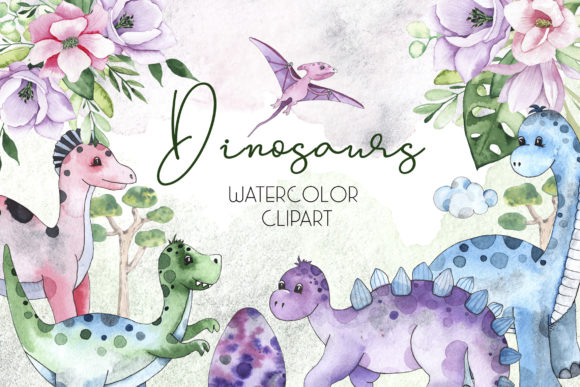
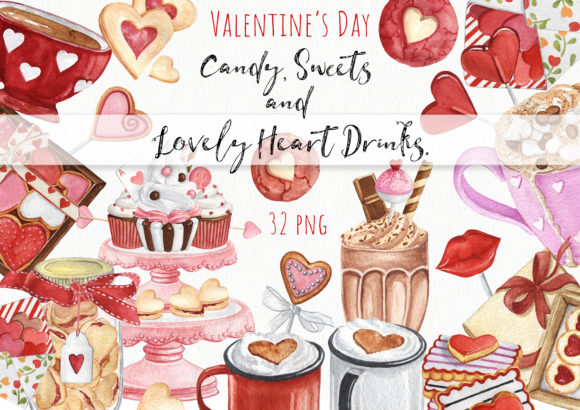
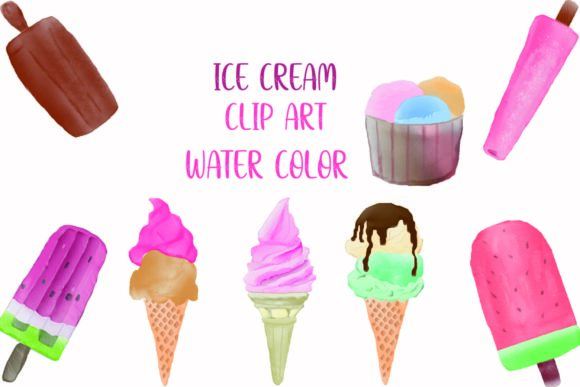
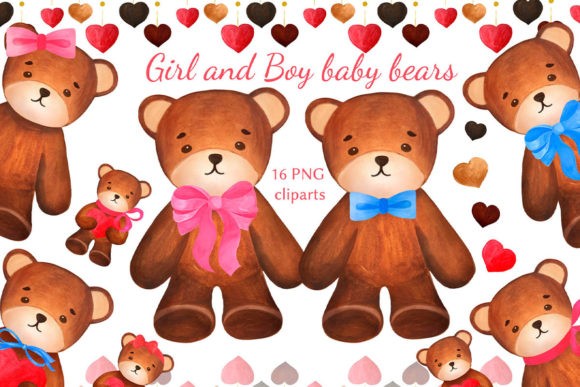
Watercolor Textures Brush Stroke Clipart immediately conveys a sense of warmth and creativity. The soft, organic strokes suggest a handmade aesthetic, making it ideal for brands that want to convey authenticity and craftsmanship. Depending on the specific styles included, it can lean toward playful, elegant, or even rustic. This makes it appealing to buyers who are looking for something that feels personal rather than mass-produced.
It’s particularly well-suited for niche markets like stationery, home decor, and personalized gifts. The visual personality of the clipart can attract customers interested in vintage, bohemian, or minimalist aesthetics. It also pairs well with other illustration styles, offering a flexible base for creative projects.
Real-World Applications for Digital Product Sellers
Watercolor Textures Brush Stroke Clipart is highly adaptable. It can be used in SVG products, PNG designs, and clipart bundles, making it a valuable addition to any digital product collection. For example, it works well as a background element in Canva templates, a decorative border for greeting cards, or an accent in t-shirt designs and mug graphics.
Print-on-demand sellers can use it in sublimation designs for clothing, tote bags, and mugs. Its texture adds depth without overwhelming the design, which is essential for maintaining visual balance. Cricut users will appreciate its ability to add handcrafted details to sticker designs, scrapbooking kits, and planner stickers.
For content creators and bloggers, it’s a great tool for social media graphics, blog headers, and promotional visuals. Its natural look helps create a cohesive brand identity across different platforms.
Enhancing Product Presentation and Customer Trust
When it comes to product presentation, Watercolor Textures Brush Stroke Clipart can elevate the overall appeal of your listings. It works well in product mockups, helping to showcase how the design would look on real items like t-shirts, mugs, or wall art. This improves thumbnail appeal and increases the likelihood of clicks.
Using it in themed bundles or seasonal collections can also help build a more professional-looking shop. It supports visual storytelling, allowing you to create a narrative around your products that resonates with your audience. This can increase perceived value and encourage customers to make purchases.
Best Use Cases for Watercolor Textures Brush Stroke Clipart
This asset shines in large product previews, where its textures and colors can be fully appreciated. It’s also effective in decorative layouts, printable products, and merchandise graphics. For creative marketplace listings, it adds a touch of elegance that can differentiate your work from competitors.
It’s ideal for digital downloads, especially when paired with other design elements. It also works well in social media promos, where its visual appeal can capture attention quickly. When used in product mockups, it helps customers visualize the final outcome, increasing confidence in their purchase.
Where to Use It Carefully
While versatile, Watercolor Textures Brush Stroke Clipart isn’t suitable for every situation. It may not work well in tiny sticker details, where the texture could become too busy or unclear. Overly complex layouts might also dilute its impact, making it less effective as a focal point.
Low-resolution print products could suffer from poor quality, so it’s important to check the file resolution before using it for physical prints. On dark backgrounds, the contrast might be weak, reducing visibility. In text-heavy templates, it could interfere with readability.
Cricut or Silhouette users should verify that the cut lines are clean and precise, especially if the design includes intricate brush strokes. If the file isn’t optimized for cutting, it could lead to issues during production.
Practical Seller Notes for Testing and Quality Checks
Before publishing any listing, I recommend testing Watercolor Textures Brush Stroke Clipart on real mockups. Preview it as a marketplace thumbnail to ensure it looks good at small sizes. Check how it appears on both white and dark backgrounds, and verify print colors to avoid unexpected results.
Inspect PNG transparency to ensure there are no unwanted edges or artifacts. If the asset includes SVG files, test the cut quality to confirm it’s suitable for Cricut or Silhouette projects. Confirm the file resolution meets your needs, and organize files clearly for customers to access easily.
Pairing the clipart with different font styles—serif, sans serif, script, or display fonts—can help highlight its versatility. Always confirm the commercial license before selling finished products, ensuring you have the rights to use the asset in your digital downloads and merchandise.
Conclusion: A Valuable Addition for Creative Sellers
Watercolor Textures Brush Stroke Clipart is a solid graphic design asset that can support a variety of digital products. Its artistic appeal and flexibility make it a useful tool for Etsy sellers, print-on-demand entrepreneurs, and Canva template creators. However, like any design element, it requires thoughtful application and testing to ensure it meets your business goals.
By understanding where it works best and where to use it carefully, you can leverage this clipart to enhance your product offerings and create a more professional, visually appealing online shop. Whether you're launching a new collection or updating existing listings, it’s worth experimenting with to see how it fits into your creative workflow.